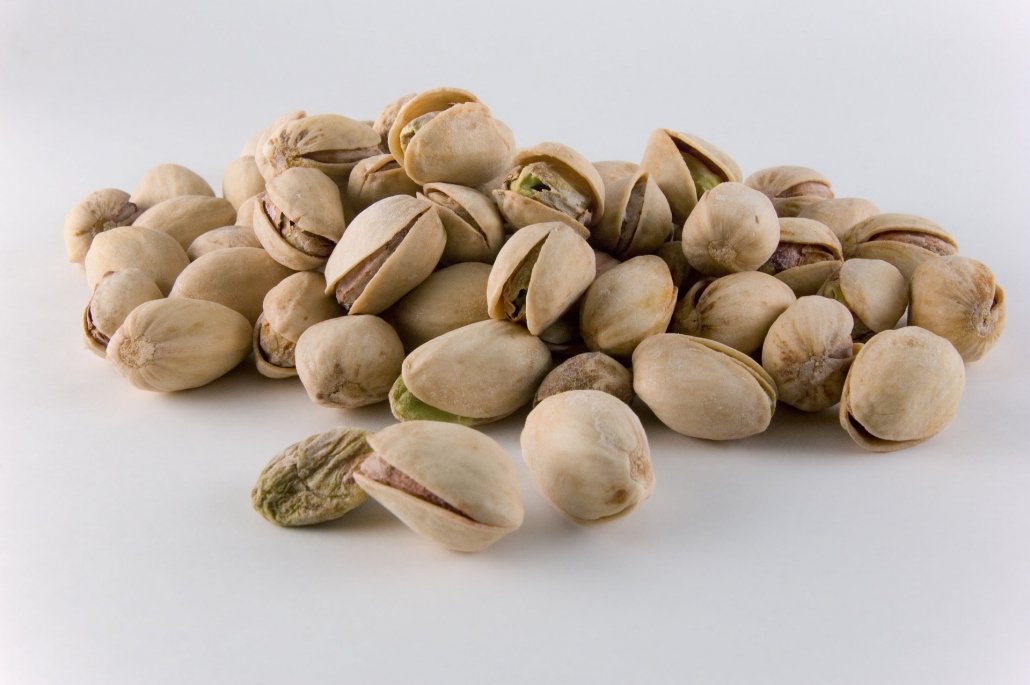
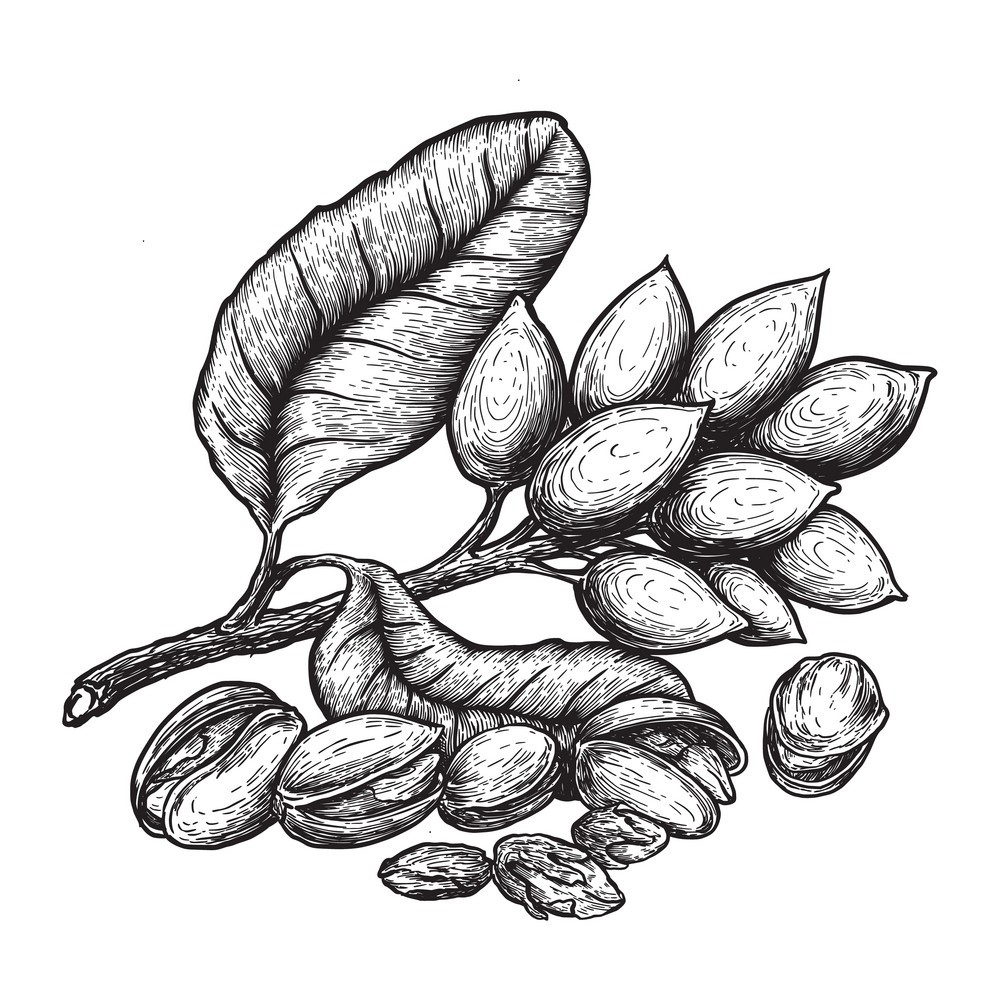

Resnick’s company, The Wonderful Pistachio, is the largest producer of pistachios in the United States with annual revenue of about $ 4 billion. The company also produces POM Wonderful, pomegranate juice, and Fiji Water, luxury spring water, among other food and beverage products.
Levine first became familiar with the Resnicks when he made a report on the Oligarch Valley (an area of aquatic agriculture bounded by Silicon Valley in the north and Los Angeles in the south). As the name implies, the Oligarch Valley is home to some of the largest and most lucrative farming operations in the United States, including 90 percent of the nation’s pistachio production.
When people think of California, they tend to focus on Hollywood or Silicon Valley as the state’s most powerful industries. Everyone thinks everything happens there. Levin says no one cares about farmers. However, farmers own the land and water, and “nothing in California happens without these two things. “Farmers are in many ways the real power brokers in California.”
The Resnicks and Pistachio Trade War
The California pistachio industry is obsessed with maintaining a trade war with Iran, one of the world’s leading pistachio producers. Stuart and Linda Resnick have been lobbying for a trade war with Iran, knowing this.
This documentary was made by journalist Yasha Levine and filmmaker Roman Wernham. The Pistachio War seeks to examine how the media is responsible for turning pistachios into a snack throughout the United States, while also destroying Iran’s global market share.
The Resnicks have mobilized the California pistachio industry and turned them into the infantry in an effort to maintain financial pressure on Iran. The Wonderful, on the other hand, is one of the leading figures in the commodification of water, helping political campaigns and celebrities to support their business in California. In the process, The Wonderful has undermined the environment, while still maintaining a liberal image in the public eye through funding donations to presidential candidates, Kamala Harris and Elizabeth Warren.
Political Supporters of Pistachio Trade War
Well-known supporters of The Wonderful are three prominent Republicans in Congress: David Valadao, Kevin McCarthy, and Devin Nunes. All three have regrettable positions on easing sanctions against Iran. Valadao believes the easing of sanctions will strengthen Iran’s economy, destabilize the Middle East and increase the likelihood of war in the region, while Nunes thinks financial stability will help Iran exploit the global economy to finance the growth of the IRGC’s web of terrorism to every corner of the planet. McCarthy also praised President Trump’s withdrawal from the nuclear deal. They all seemed to have forgotten that the rise of global terrorism is a direct result of increased sanctions, financial instability, and unnecessary US political interference.
In addition, the media outlets have funded prominent think tanks and lobby groups promoting a more confrontational stance on Iran, including the Washington Institute for Near Eastern Policy, which hosted a significant conference in support of US regime change in Iran.
Of course, all this is aimed at trade and boosting the economic growth of one of the world’s leading agricultural companies. The sanctions have proven to be widely beneficial to the Resnicks and other California pistachio farmers. “The US pistachio industry is generally very aware that its success has been due to sanctions against Iran,” Levine said.
Who will win this war?
Can Iran fight the pistachio war? Iran is still one of the leading producers and important exporters of popular nuts. A few years of poor harvests in California and the promotion of better exports by Iranian farmers could cause Iran to regain some of its lost market shares, especially in Europe.